Every significant progress starts with a dream, a vision for the infrastructure to be upgraded, a manufacturing plant to be established, or a new factory to be set up. But every project also has a hidden landscape of possible environmental risks that are often unnoticed until they lead to expensive delays. This is where a thorough Environmental Impact Assessment (EIA) becomes your project’s crystal ball, revealing threats before they surface. In order to be compliant and sustainable many organizations often turn to assessments as a way to weed out possible delays, protect the environment and build trust with the public. Many businesses explore the importance of environmental impact assessment insights early in their planning process so they can address unseen risks long before construction or operations begin. Strategically executed, these evaluations not only shield ecosystems but also aid companies in keeping their operations running smoothly. As global industries transition towards more responsible development, the capacity to comprehend underlying environmental stresses has turned out to be indispensable, thus rendering EIAs as a foundation of contemporary project planning and a reliable instrument used by the likes of GEOCHEM among others.
Why EIAs Serve as a Project’s Early Warning System
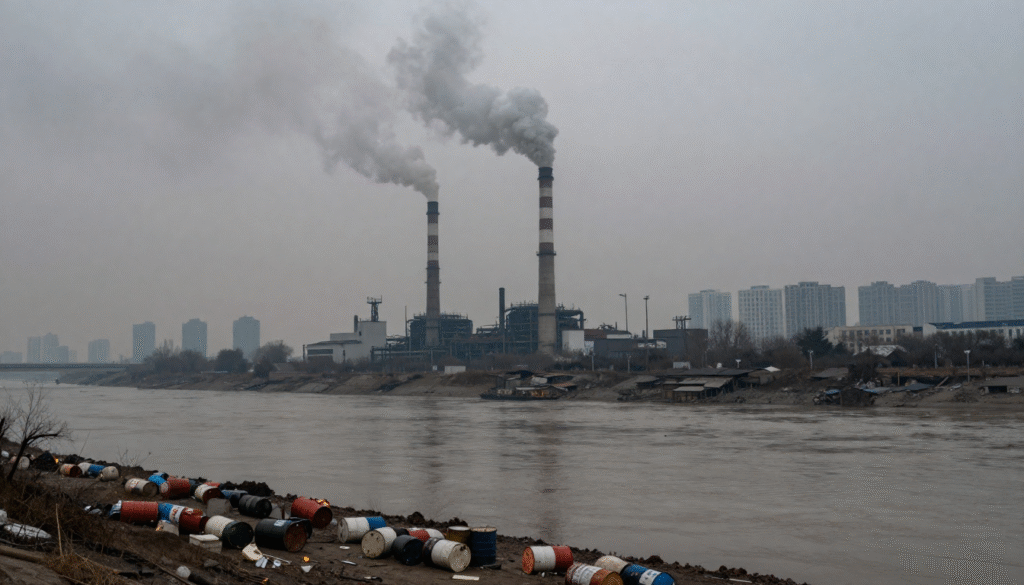
Nature: air, soil, water, wildlife, and communities, interact with every project. Even good developments can lead to unexpected consequences, which is one of the reasons for the existence of EIAs as their main purpose is to bring out potential risks right at the start of the project. They uncover the truth hidden behind the assumptions and demonstrate how the environment may be affected by the proposed activities in the long run.
What EIAs Typically Uncover
EIAs provide a clear window into issues that often remain overlooked:
- Air and water pollution risks from industrial operations
- Soil contamination potential, particularly in energy, mining, and chemical projects
- Ecosystem disruptions, including habitat loss or species displacement
- Resource consumption concerns, such as water overuse
- Community and health-related impacts, which can affect project approvals
These insights serve as the foundation for risk mitigation, ensuring your project is not derailed halfway through due to unanticipated environmental complications.
Environmental Risks That Remain Hidden Without an EIA
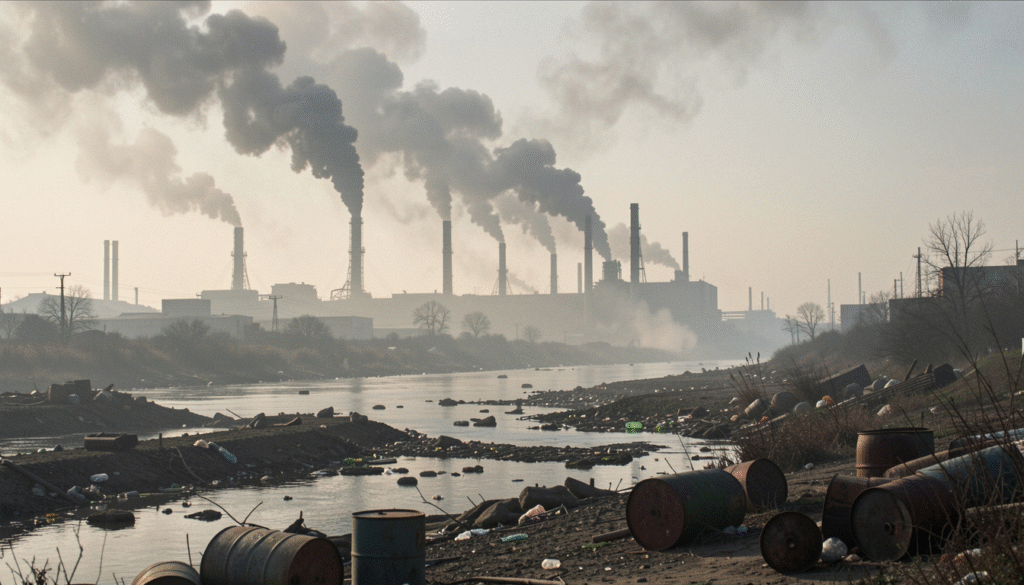
Basic inspections and feasibility studies may not detect some environmental hazards at all. EIAs are probing in-depth to assess the temporal evolution and the risk during the actual scenario.
Long-Term Ecological Changes
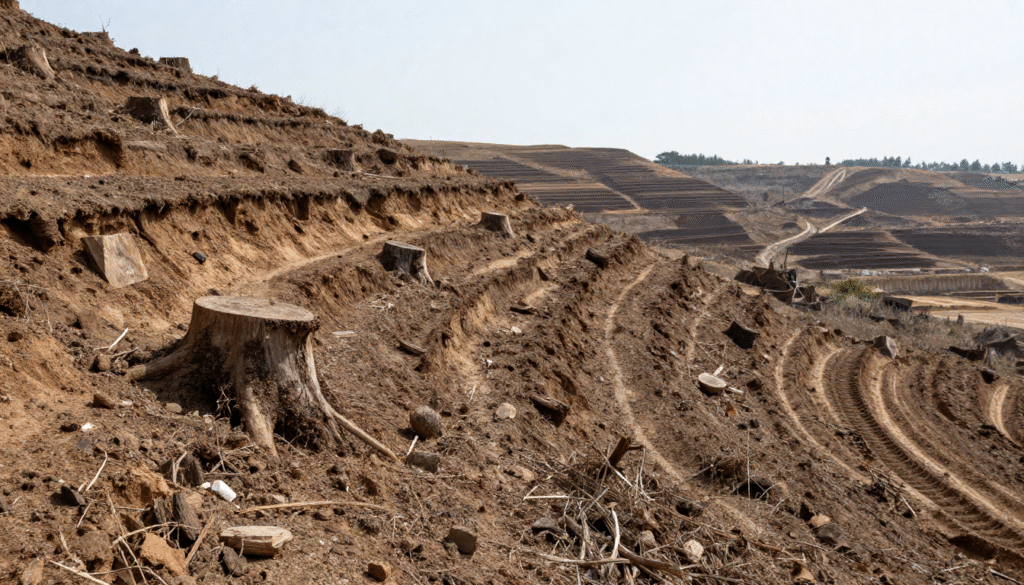
Some threats develop gradually, such as soil erosion, a loss of biodiversity, and groundwater depletion. An Environmental Impact Assessment (EIA) predicts these trends through scientific modeling, allowing you to avert irreversible harm.
Indirect or Secondary Impacts
A facility’s construction, for instance, may lead to an increase in traffic, and thereby in the levels of emissions and noise. The environmental impact assessments (EIAs) assist in getting to the bottom of such chain reactions which are commonly overlooked.
Regulatory Blind Spots
A lot of companies, unaware that they have missed important compliance obligations only notice them after a thorough investigation. That is the reason why the teams often seek expert evaluations to remain in accordance with regulatory demands and industry standards. As they analyze potential obligations, they often explore environmental compliance monitoring strategies to stay ahead of requirements.
How EIAs Strengthen Project Decisions
An EIA is not just about identifying risks, it’s about enabling smarter decisions.
Better Design & Planning
By understanding risks early, engineers can redesign layouts, change resource plans, or adopt greener technologies.
Cost Prevention Instead of Cost Reaction
Mitigating environmental issues during planning is significantly cheaper than resolving them mid-construction or after regulatory penalties.
Improved Stakeholder Confidence
Communities, governments, and investors prefer projects built on transparency. EIAs reinforce credibility and reduce resistance or objections later.
Streamlined Approvals
Comprehensive EIAs eliminate uncertainties, making approval processes smoother and more predictable.
The Role of Expert Environmental Partners
Some companies try to do initial evaluations within the organization, yet, having professional support means scientific accuracy, regulatory compliance, and worthy reporting. This is the point when companies like GEOCHEM add value.
GEOCHEM is a company that offers specialized environmental solutions and assists other industries in the risk assessment process which they can view from a totality standpoint. The specialists of the company have rich experience in different areas starting with manufacturing and ending with logistics, construction, and heavy industry. They apply global best practices, use advanced testing modes, and conduct very detailed field assessments so that each Environmental Impact Assessment (EIA) reveals a whole range of environmental weaknesses. Their combined method simplifies the decision-making process for the project owners and leads them through all steps of risk assessment, mitigation planning, and compliance preparedness.
Why EIAs Are More Important Than Ever
The worldwide transformation to sustainability has turned environmental stewardship into a primary factor of the business practices. In the present time, organizations are under higher regulatory supervision, society is becoming more conscious of the environment leading to pressure applied to the firms to minimize their ecological footprints. EIAs are the supporting tools for the businesses to deal with these realities in a fearless manner.
Modern Challenges That Increase Demand for EIAs
- Expanding industrial growth in previously undeveloped areas
- Climate-related vulnerabilities affecting project locations
- Stricter regulatory frameworks across many regions
- Rising expectations for transparency and sustainability reporting
As environmental data becomes a vital element in formulating business strategies, Environmental Impact Assessments serve as a guiding compass, leading companies to make decisions that are informed and that weigh growth against responsibility.
Conclusion
The presence of hidden environmental risks can impact projects, complicate financial plans, and put companies under regulatory actions. An environmental impact assessment that is properly executed helps you not to encounter these pitfalls by revealing the risks that conventional planning techniques usually overlook. EIAs provide transparency, readiness, and strategic vision regarding the issues ranging from ecosystem disturbances to compliance problems. With the continuous industrial growth in delicate areas and stricter regulatory standards, organizations are turning more and more to the likes of GEOCHEM, who are expert partners in providing accurate assessments, dependable monitoring, and extensive reporting. Their scientific method not only makes the project more resilient but also contributes to the long-term sustainability and operational efficiency of the organization. For businesses seeking to improve their technical assurance and environmental safety, exploring robust TIC service solutions becomes a powerful next step toward responsible and informed project development.