Industrial growth and environmental responsibility no longer sit on opposite sides of the table, they sit across from each other and collaborate. Modern industries must convert waste streams, emissions, and data into actionable intelligence that reduces risk, cuts costs, and unlocks new value. Robust environmental services do more than check boxes: they deliver scientific insight, operational improvements, and regulatory confidence that let businesses scale responsibly. In this transformation, disciplined laboratory analysis, smart monitoring, and strategic management turn waste into knowledge, and knowledge into wiser decisions for project owners, operators, and communities. For enterprises seeking a single point of contact for testing and advisory, consider starting with a trusted partner like environmental services to build a cleaner, more resilient operation.
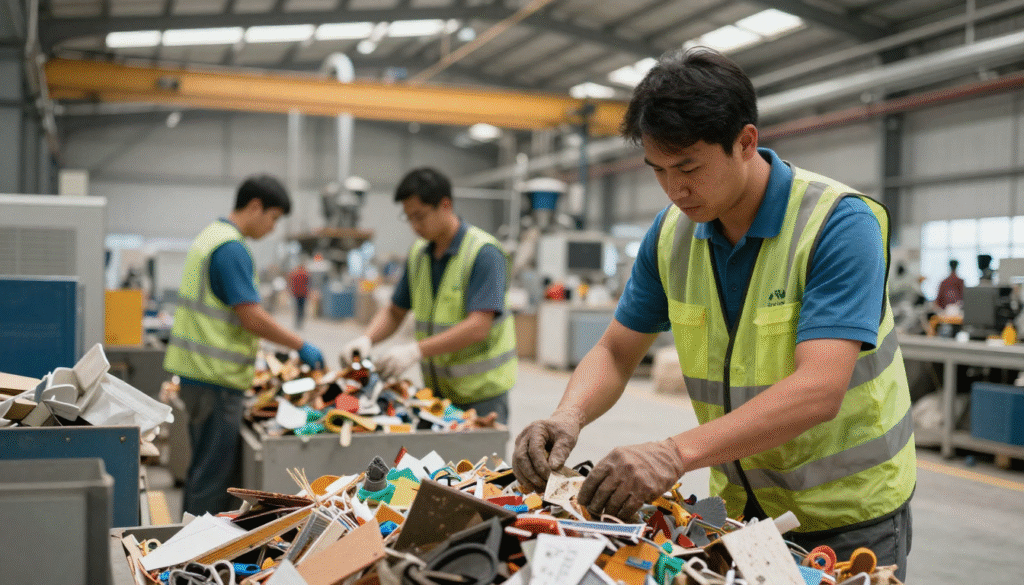
Why the shift matters: from compliance to competitive advantage
Historically, environmental work lived in compliance teams. Now it’s a business enabler. Companies that adopt modern environmental approaches realize several benefits:
- Risk reduction: Early detection of contamination, emissions, or process inefficiencies prevents costly shutdowns and liabilities.
- Cost savings: Waste-minimization and resource-efficiency initiatives reduce disposal and input costs.
- Market access: Proof of environmental stewardship opens doors to new clients, investors, and export markets.
- Brand value: Demonstrable environmental performance strengthens reputation and social license to operate.
These gains depend on integrating services that are technical (lab testing, emissions monitoring) and strategic (management systems, impact assessments).
Core pillars that transform waste into wisdom
To operationalize the transformation, focus on four pillars:
1. High-quality analysis: the lab as the foundation
Accurate data starts in laboratories. An accredited environmental testing laboratory provides validated results for water, soil, air, and complex contaminants – everything from routine parameter panels to trace-level chemistries. Reliable testing enables:
- Baseline studies and trend analysis
- Regulatory submissions and permit compliance
- Forensic investigation after incidents
Lab data is the raw material. Analytical confidence is essential before any strategic step is taken.
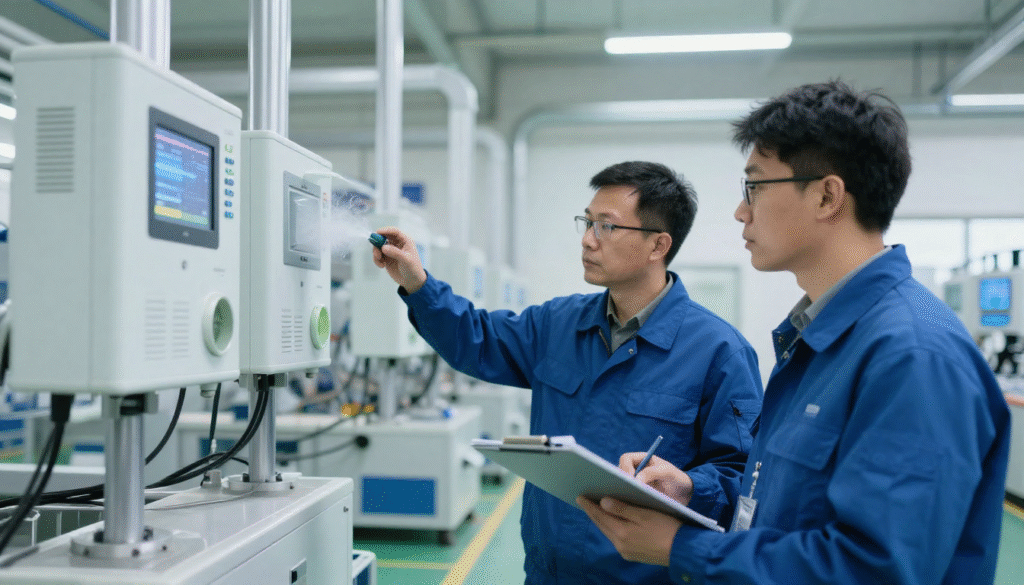
2. Continuous monitoring & smart sensors
Real-time monitoring turns sporadic snapshots into continuous stories. Deploying sensors for air quality, effluent discharge, and process parameters:
- Detects excursions immediately
- Provides data to automate controls and alarms
- Feeds analytics for predictive maintenance and emissions forecasting
3. Environmental Impact Assessment and risk modeling
Robust impact assessments translate laboratory and monitoring data into project-level insight:
- Identifies sensitive receptors (human, ecological)
- Quantifies risk over time and under stress scenarios
- Designs mitigation that is practical and cost-effective
4. Systems & management: turning insight into action
Environmental management systems (EMS) and operational SOPs ensure data drives decisions:
- Continuous improvement loops (measure → act → verify)
- Integration with ISO standards and corporate sustainability goals
- Training and governance to embed new practices
Practical examples: how industries convert waste into value
Below are concise examples showing impact across sectors.
Manufacturing
- Problem: High volumes of solvent-laden wastewater.
- Solution: Targeted lab testing isolates problematic streams; install segregated treatment and solvent-recovery.
- Outcome: Lower disposal fees, recycled solvents, improved regulatory performance.
Oil & Gas / Energy
- Problem: Fugitive emissions and produced water discharges.
- Solution: Sensor networks plus periodic lab validation detect leaks and seasonal trends.
- Outcome: Reduced flaring, optimized treatment, improved asset uptime.
Construction & Infrastructure
- Problem: Contaminated fill discovered during excavation.
- Solution: Rapid on-site screening tied to confirmatory lab analysis and a remediation plan.
- Outcome: Project continuity, liability containment, and documented clean closure.
Best-practice checklist for industrial teams
Before launching programs that turn waste into strategic insight, ensure you have:
- Accredited laboratory partnerships for robust confirmation testing.
- A monitoring plan that balances continuous sensors with periodic lab checks.
- An impact assessment that connects operational outputs to receptors.
- An EMS aligned with corporate goals and local regulation.
- Clear governance for data ownership, reporting, and corrective actions.
Common pitfalls to avoid
- Relying solely on occasional sampling , missing transient events.
- Treating labs as vendors rather than strategic partners.
- Overlooking data validation steps before policy or engineering changes.
- Ignoring stakeholder communication: communities and regulators expect transparency.
How to measure success
Track a mix of leading and lagging indicators:
- Leading: number of alarms addressed within SLA, % of waste diverted, sensor uptime.
- Lagging: reduction in exceedances, cost savings from material recovery, number of successful permit renewals.
Consistent metrics translate isolated wins into institutional learning.
If you’re building an integrated approach, start by evaluating your testing and monitoring baseline, a practical first step is to consult a reputable environmental testing laboratory for a gap analysis and sampling program design.
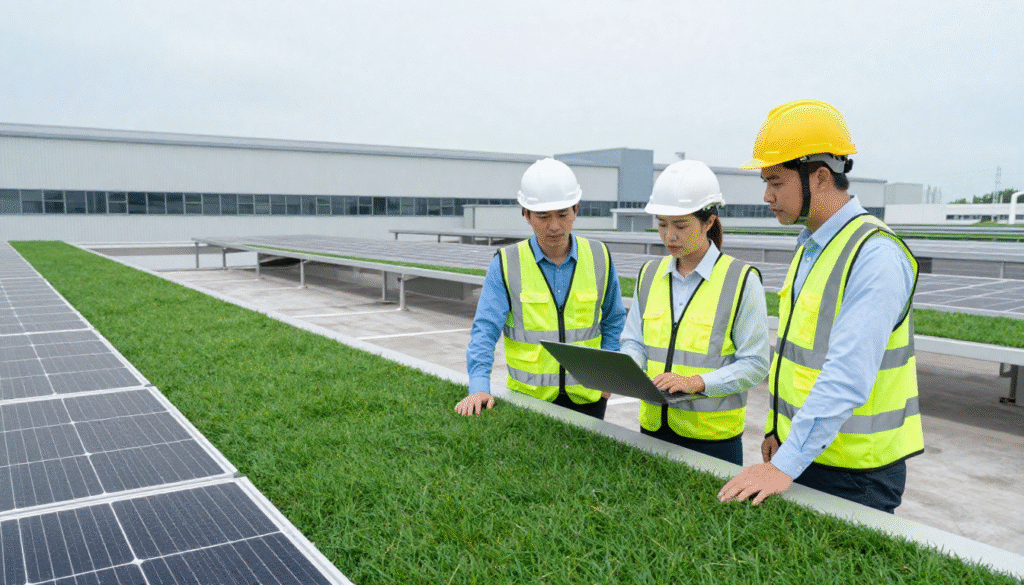
Bringing GEOCHEM into the picture
An effective transformation needs a partner that blends analytical strength with on-the-ground service. GEOCHEM’s capabilities , from accredited testing to field sampling and advisory , illustrate how specialized providers can support the full lifecycle of environmental work. By connecting precise lab results to monitoring programs and management systems, GEOCHEM helps organizations make decisions rooted in science and tailored to operational realities. This connection is the heart of turning waste into wisdom: a single data-driven thread that runs from sample bottle to boardroom briefing.
Conclusion
Transforming waste into actionable wisdom is no longer optional it’s essential for modern industries striving to reduce costs, manage risk, and operate with long-term responsibility. This shift is powered by robust environmental services supported by reliable TIC services that validate data, strengthen compliance, and ensure every decision is grounded in scientific accuracy. When companies work with experienced partners, they turn complex environmental challenges into strategic advantages and operational clarity. To explore practical next steps and tailored solutions, consider reaching out to GEOCHEM, a partner that combines technical expertise, industry insight, and comprehensive TIC capabilities to help your projects become cleaner, safer, and more efficient.